
Rebranding Done Right: When and How to Refresh Your Brand
By Alvena Ode, Founder & CMO, Blastily · 3 min read
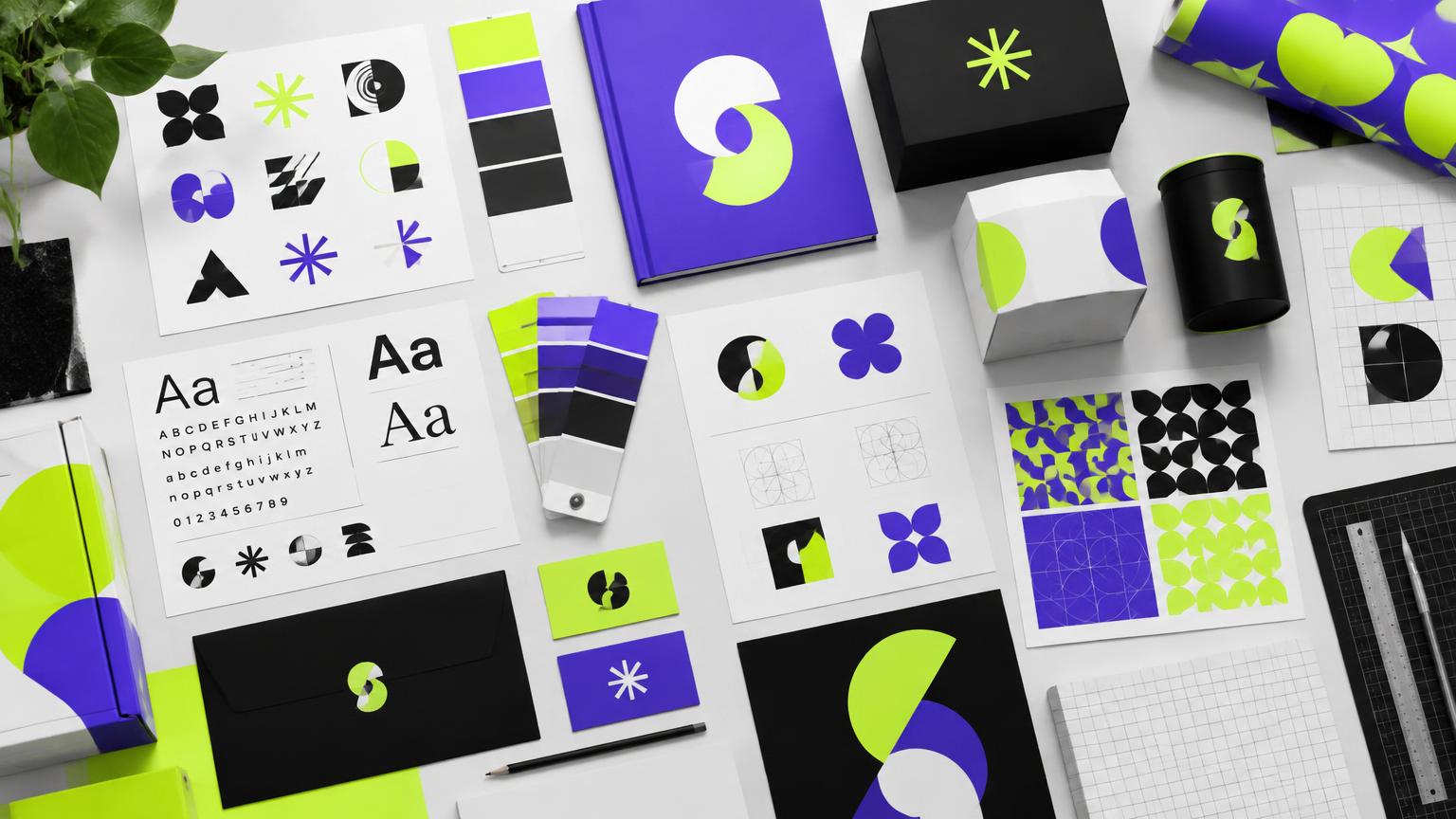
Brands need to evolve. But a rebrand done for the wrong reasons, or done badly, can throw away years of recognition. Rebranding done right keeps what people love, fixes what holds you back and turns the change into a moment of attention. Here's how.
This guide is part of our brand identity series.
Signs you may need a rebrand
- Your business has changed (new services, new markets, new audience)
- Customers misunderstand what you do
- You look dated next to competitors
- Your name limits growth (too local, too narrow, hard to say or spell)
- A merger or acquisition
- A reputation problem that can't be fixed any other way
Not good reasons: boredom, a new leader wanting a personal stamp, or following a trend.
Refresh or full rebrand?
| Refresh | Full rebrand | |
|---|---|---|
| Changes | Logo polish, colours, typography, messaging | Name, positioning, identity |
| Recognition | Largely kept | Must be rebuilt |
| Cost and effort | Lower | Higher |
| Best for | Dated look, small evolution | Major pivot, merger, name problem |
Often a refresh is enough.
The rebrand process
- Research: interview customers, staff and partners. What do they value? What confuses them? (customer feedback)
- Strategy: redefine audience, positioning, promise and personality (value proposition, brand story)
- Keep what works: identify distinctive assets people recognize (a colour, shape, jingle) and keep them where possible
- Design: name (if changing), logo, palette, typography, voice
- Legal checks: trademarks, domains, social handles
- Guidelines: a brand guide so everyone applies it consistently
- Rollout plan: every touchpoint, in order
Rollout checklist
- Website, email signatures and templates
- Google Business Profile and directories (Google Business Profile)
- Social profiles and handles
- Signage, vehicles, uniforms, packaging
- Contracts, invoices, legal documents
- Advertising creative across radio, TV, billboards and digital
Protect SEO
- Keep URL structures where possible
- Set up permanent (301) redirects from old URLs
- Update internal links and structured data
- If changing domains, use search engines' change-of-address tools
- Monitor traffic and rankings after launch
Launch it as news
A rebrand is a chance to tell your story:
- Tell existing customers first, explaining why and what stays the same
- Announce with a press release (how to write a press release)
- Pitch the story behind the change to local and trade media (PR strategy)
- Support with a launch campaign (radio, billboards, social) so people connect old and new (radio, billboards)
Common rebranding mistakes
- Changing everything, including assets customers loved
- Not explaining the change to existing customers
- Launching the new identity in some places but not others
- Forgetting SEO redirects and directory updates
- Skipping trademark checks
- Declaring success before the new brand has had time to become familiar
After launch
Measure awareness of the new brand (brand lift), watch for confusion in customer questions, and stay consistent. A rebrand only works if it's applied everywhere, for long enough; see brand consistency.
Frequently asked questions
When should a business rebrand?+
When the brand no longer reflects the business, confuses customers, limits growth into new markets or services, has a reputation problem, or after a merger or major pivot.
What's the difference between a brand refresh and a rebrand?+
A refresh updates visual elements and messaging while keeping the core identity recognizable. A rebrand changes more fundamentally: often the name, positioning or entire identity.
How do I protect SEO during a rebrand?+
Keep URLs where possible, set up permanent redirects from old URLs to new ones, update your Google Business Profile and directories, and tell search engines about domain changes if you move.
Do I need to check trademarks before a new name?+
Yes. Search trademarks and existing businesses before committing, and get legal advice on registering your new name and logo.
Work with Blastily
Want this done for you? Blastily plans and places PR, press releases, radio, TV and out-of-home campaigns for growing brands across Canada and beyond.
Talk to Blastily