
Brand Identity: How to Stand Out in a Crowded Market
By Alvena Ode, Founder & CMO, Blastily · 5 min read
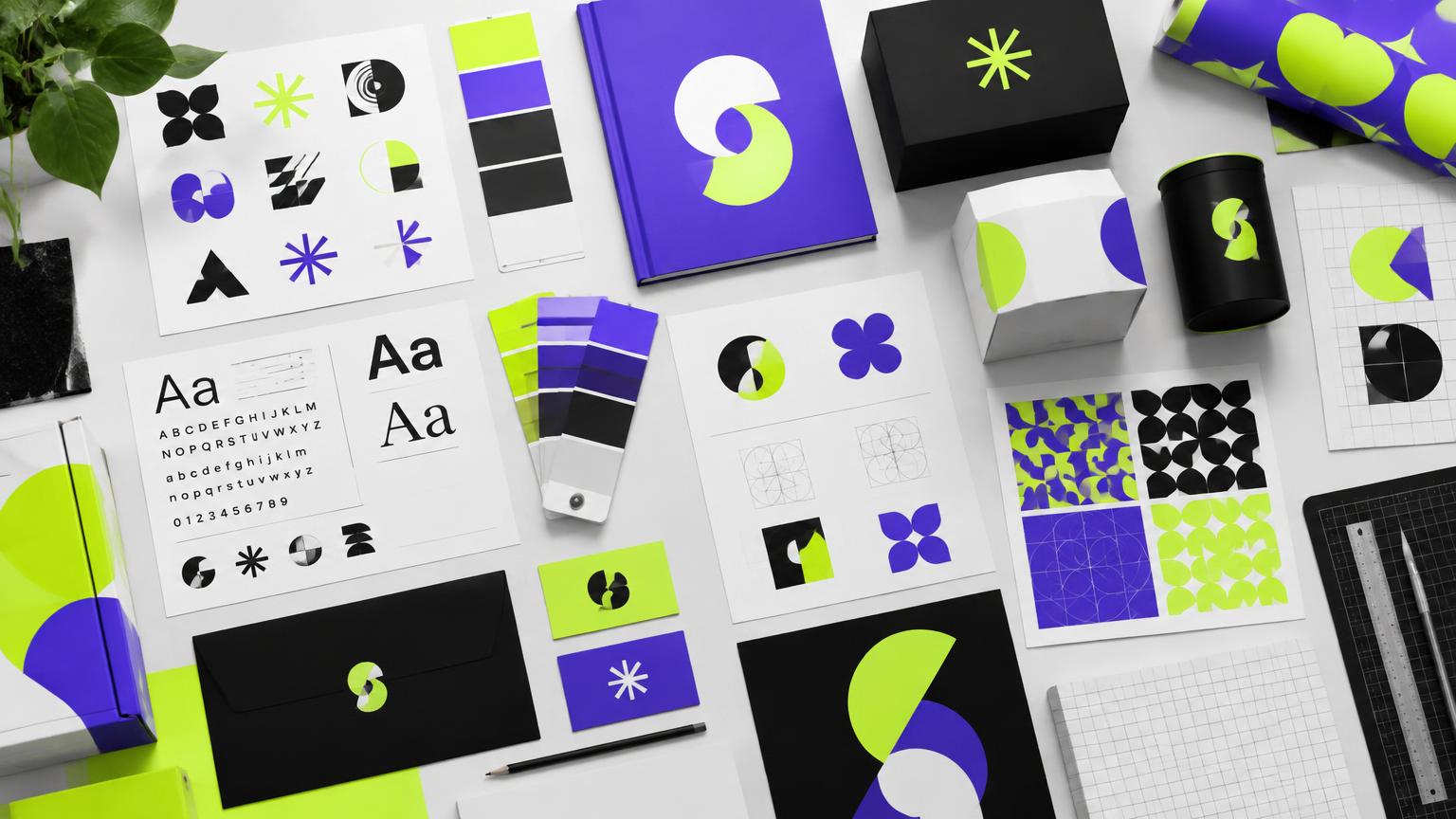
In a crowded market, being good isn't enough. People need to notice you, remember you and understand what you stand for. A strong brand identity does that. This guide is the hub for our brand and creative content. Start here, then follow the links to go deeper.
Brand vs. brand identity
- Brand: what people think and feel about you
- Brand identity: the elements you create to shape that: name, logo, colours, typography, imagery, voice and distinctive assets
You control the identity. Your customers decide the brand.
Step 1: Start with strategy
Before design, answer:
- Who are we for? (your audience)
- What do we promise? (value proposition)
- What do we believe? (values)
- What's our story? (brand story)
- How are we different from competitors?
- What personality do we have? (e.g., bold, warm, expert, playful)
Write this down in one page. Every design decision flows from it.
Step 2: Build the visual identity
| Element | Tips |
|---|---|
| Logo | Simple, recognizable at small sizes, works in one colour |
| Colour palette | One or two signature colours plus neutrals; strong contrast for accessibility (colour psychology) |
| Typography | One or two typefaces, readable across screens and print |
| Imagery | A consistent photo and illustration style |
| Layout | Consistent use of space, grids and graphic elements |
Step 3: Define your voice
How you sound in writing and speech:
- Personality: three words (e.g., confident, clear, warm)
- Do and don't examples
- Vocabulary: words you use and avoid
Step 4: Create distinctive assets
Distinctive assets are what make people recognize you in a two-second glance, even before they read your name:
- A signature colour
- A character or mascot
- A shape or pattern
- A slogan
- A sound logo or jingle (how to create a jingle)
Pick a few and use them everywhere, consistently, for years.
Step 5: Write a brand guide
A simple brand guide keeps everyone consistent:
- Strategy summary
- Logo usage (sizes, spacing, don'ts)
- Colours with codes
- Typography
- Photo style
- Voice and tone
- Templates for common materials
Step 6: Apply it everywhere
Website, social, email, signage, packaging, uniforms, ads, radio and TV. Recognition builds when every touchpoint looks and sounds like you. See brand consistency across every touchpoint.
Stand out in crowded categories
- Look at competitors and deliberately choose a different colour, tone or style
- Own one idea rather than claiming everything
- Be consistent longer than feels necessary. Recognition takes time.
- Show personality. Bland brands are forgettable (emotional branding)
Brand identity in advertising
Your identity has to work in a two-second billboard glance, a 30-second radio spot and a scrolling social feed. Test it in each: billboard design, radio, social ads.
When to rebrand
If your identity no longer reflects your business, confuses customers or can't grow into new markets, it may be time for a refresh. See rebranding done right.
Common mistakes
- Designing a logo before defining strategy
- Following trends that date quickly
- Too many colours and fonts
- Changing the look every campaign
- No guide, so everyone improvises
Brand identity for different business types
| Business type | Identity priorities |
|---|---|
| Local service business | Recognizable vehicles, signage and uniforms; a memorable name and phone or URL; strong reviews |
| B2B professional services | Credibility, clarity and a strong founder presence; consistent proposals and presentations |
| Consumer product | Packaging, shelf impact, social-first visuals, a distinctive colour or character |
| Luxury and premium | Restraint, craftsmanship, exceptional detail in every touchpoint (luxury marketing) |
| Personal brand | Your face, voice and point of view; consistent across LinkedIn, website and media (personal branding) |
A simple brand identity workshop agenda
- Audience (30 min): who we serve best, and what they care about
- Promise (30 min): the one outcome we deliver better than anyone
- Personality (20 min): three words for how we sound and feel
- Competitors (20 min): how they look and sound, and where we can stand apart
- Assets (30 min): which colours, shapes, sounds or phrases could become ours
- Next steps (10 min): design brief, owner, timeline
Invite people who talk to customers every day. They often know your brand better than anyone.
Questions to ask a designer or agency
- How will you translate our strategy into the design?
- Will we get a brand guide and editable templates?
- How will the identity work at small sizes, in one colour, on billboards and on social?
- Who owns the final files and rights?
How long does it take?
A focused identity project for a small business often takes several weeks: strategy first, then design concepts, refinement and the brand guide. Rolling it out across every touchpoint can take longer. Plan the rollout as carefully as the design, and launch it with a moment of attention: a press release, a campaign or an event (rebranding done right).
The payoff
A clear, consistent identity makes every marketing dollar work harder. People recognize you faster, trust you sooner and remember you when they're ready to buy. Blastily builds that recognition through PR and media campaigns designed around your brand, from press coverage to billboards.
Frequently asked questions
What's the difference between brand and brand identity?+
Your brand is how people perceive you. Your brand identity is the set of elements you control to shape that perception: name, logo, colours, typography, imagery, voice and distinctive assets.
What are distinctive brand assets?+
Elements people recognize as yours even without your name, such as a colour, shape, character, jingle, slogan or pattern. They build recognition through consistent use over time.
How much does a brand identity cost?+
It ranges widely depending on scope and who you work with, from a basic logo and colour palette to a full identity system with guidelines. Invest in strategy first, since design without strategy often needs redoing.
How often should I update my brand identity?+
Rarely. Frequent changes throw away recognition. Refresh when your business has meaningfully changed or the identity no longer works, and keep what people recognize.
Work with Blastily
Want this done for you? Blastily plans and places PR, press releases, radio, TV and out-of-home campaigns for growing brands across Canada and beyond.
Talk to BlastilyKeep reading
- How to Create Ads That Convert: Tips for Small Businesses3 min →
- Brand Consistency Across Every Touchpoint3 min →
- How to Write High-Converting Calls to Action3 min →
- Cause Marketing and Sustainability Messaging That Isn't Greenwashing3 min →
- Co-Branding and Cross-Promotions: Partnerships That Grow Both Brands3 min →