
SMS Blast Canada: Consent, Strategy and Automation
By Alvena Ode, Founder & CMO, Blastily · 9 min read
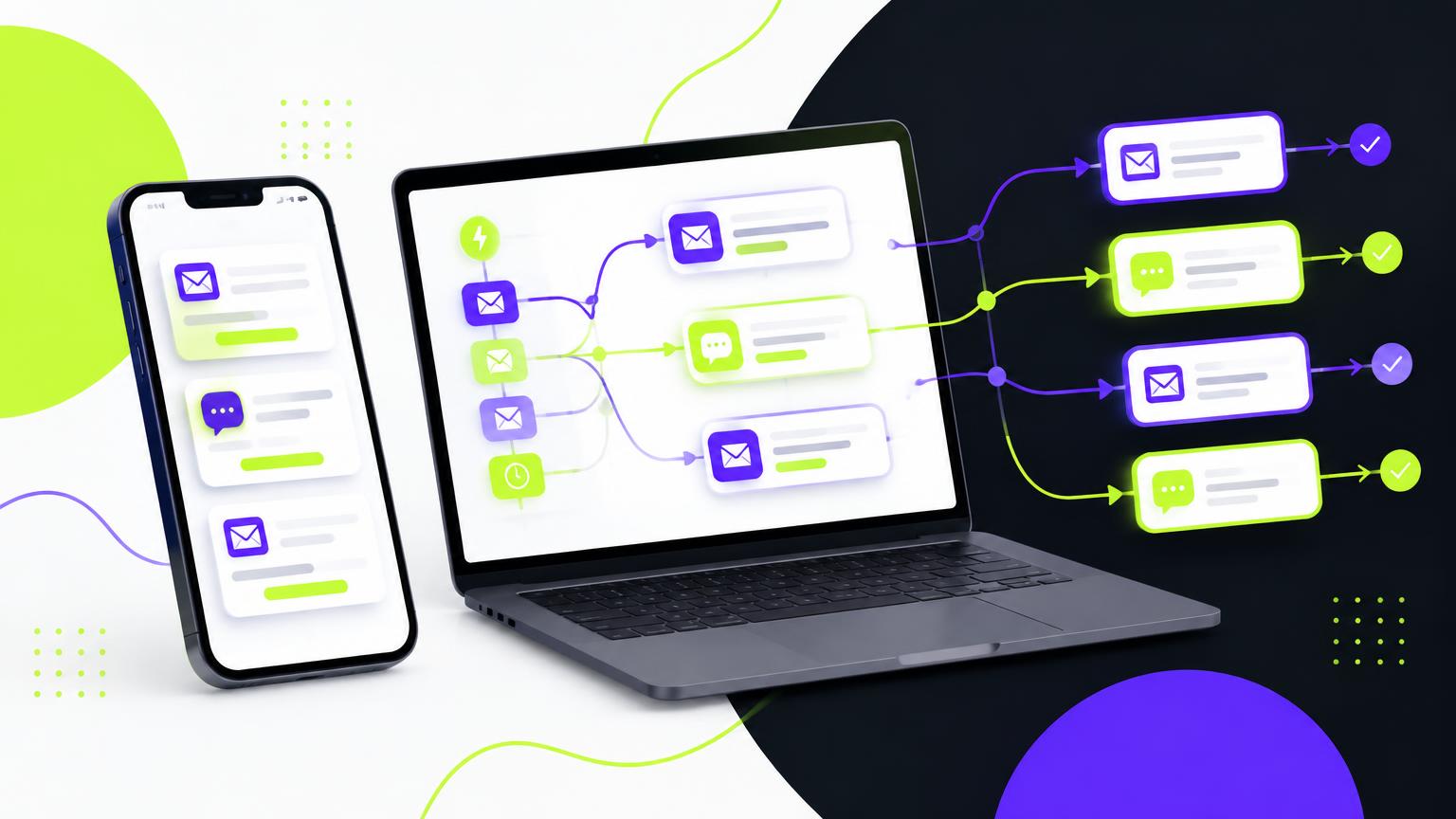
An SMS blast can reach customers quickly, but speed is not permission to send indiscriminately. In Canada, a responsible text campaign starts with documented consent, clear identification and an easy way to stop messages. This article provides practical marketing guidance, not legal advice.
Blastily approaches SMS as part of a customer journey: attract the right lead, capture permission, send relevant information, route replies and help qualified prospects book. See our broader SMS blast service in Canada for the service overview.
What is an SMS blast?
An SMS blast is one message sent to a defined group of opted-in contacts. Good campaigns are segmented by location, interest, customer stage or action. They should not feel like an anonymous message pushed to every number in a database.
Build consent into the first interaction
Canadian commercial electronic messaging is governed by CASL and related requirements. Organizations generally need a valid basis for sending, must identify themselves and must provide a working unsubscribe process. Keep records showing when, where and what a contact agreed to receive. Obtain legal advice for your specific program.
- Use clear language beside the phone field.
- Keep marketing consent optional and unchecked.
- State the expected message type and frequency.
- Explain that message and data rates may apply.
- Provide STOP and HELP instructions where appropriate.
- Do not use purchased or scraped phone lists.
Choose one useful objective
A single campaign should have a single next step: confirm an appointment, recover an incomplete booking, announce a time-sensitive opening, invite a qualified segment to an event or reconnect with an existing customer. SMS works poorly when every message contains several competing offers.
Segment before you send
Useful segments can include lead source, city, service interest, last interaction, appointment status and consent status. A Calgary appointment reminder should not go to a Toronto prospect who asked only for email. Clean data is the foundation of useful automation.
Write messages people understand
Identify the business, state why the message is relevant and make the action obvious. Avoid misleading urgency. A simple structure is: brand name, useful context, one action and opt-out instructions. Test links and booking pages on a phone before sending.
Connect SMS to email and human follow-up
SMS is strongest when it supports—not duplicates—other channels. Email can carry detail, while SMS can provide a timely reminder. A reply from a qualified prospect should create a task for a real person. Our email marketing guide and lead nurturing guide explain the surrounding journey.
Automation workflow example
- A visitor submits a form with separate SMS consent.
- The CRM records source, consent and service interest.
- An immediate confirmation sets expectations.
- A reminder is sent only when it is relevant.
- Replies and booking activity update the opportunity.
- A team member follows up when intent is high.
- STOP requests suppress future marketing messages promptly.
For the system behind this flow, read our GoHighLevel-style automation guide and our email and SMS workflow guide.
Measure outcomes that matter
Delivery and click rates are diagnostic signals. The business measures are replies, booked calls, attended appointments, qualified opportunities, sales and opt-out rate. Compare performance by audience and offer, not only by total message volume.
SMS blast checklist for Canadian businesses
- Confirm and record consent.
- Verify sender identity and reply handling.
- Suppress opted-out and invalid contacts.
- Choose a narrow audience and one goal.
- Review the message on a phone.
- Test every link and booking step.
- Schedule for a respectful local time.
- Monitor replies, complaints and conversions.
Frequently asked questions
Is SMS marketing legal in Canada?+
It can be, when the sender has an appropriate basis to send, identifies the business and provides a working unsubscribe method. CASL requirements depend on the circumstances, so obtain legal advice for your program.
Can I buy a list for an SMS blast?+
Purchased or scraped lists create consent, reputation and delivery risks. Build a first-party list with clear, documented permission instead.
How often should a business send SMS marketing?+
There is no universal frequency. Set expectations when collecting consent and send only when the message is useful and relevant to that segment.
Should SMS replace email?+
Usually no. SMS is effective for timely prompts and replies, while email is better for detail. Coordinated channels generally create a clearer customer journey.
Plan a responsible SMS campaign
Talk to Blastily about permission-based SMS, lead routing and booking workflows built around real customer conversations.
Talk to BlastilyKeep reading
- Email Marketing That Converts Leads into Loyal Customers3 min →
- How to Build a Lead Nurturing Funnel That Converts3 min →
- Using a CRM to Manage Growth and Customer Engagement3 min →
- GoHighLevel Marketing Automation in Canada: What to Build10 min →
- Digital Marketing Strategy for Small Businesses: The Essentials5 min →
- Client Acquisition Strategy: How Growing Businesses Win Clients5 min →