
SEO Tips Most Brands Overlook
By Alvena Ode, Founder & CMO, Blastily · 4 min read
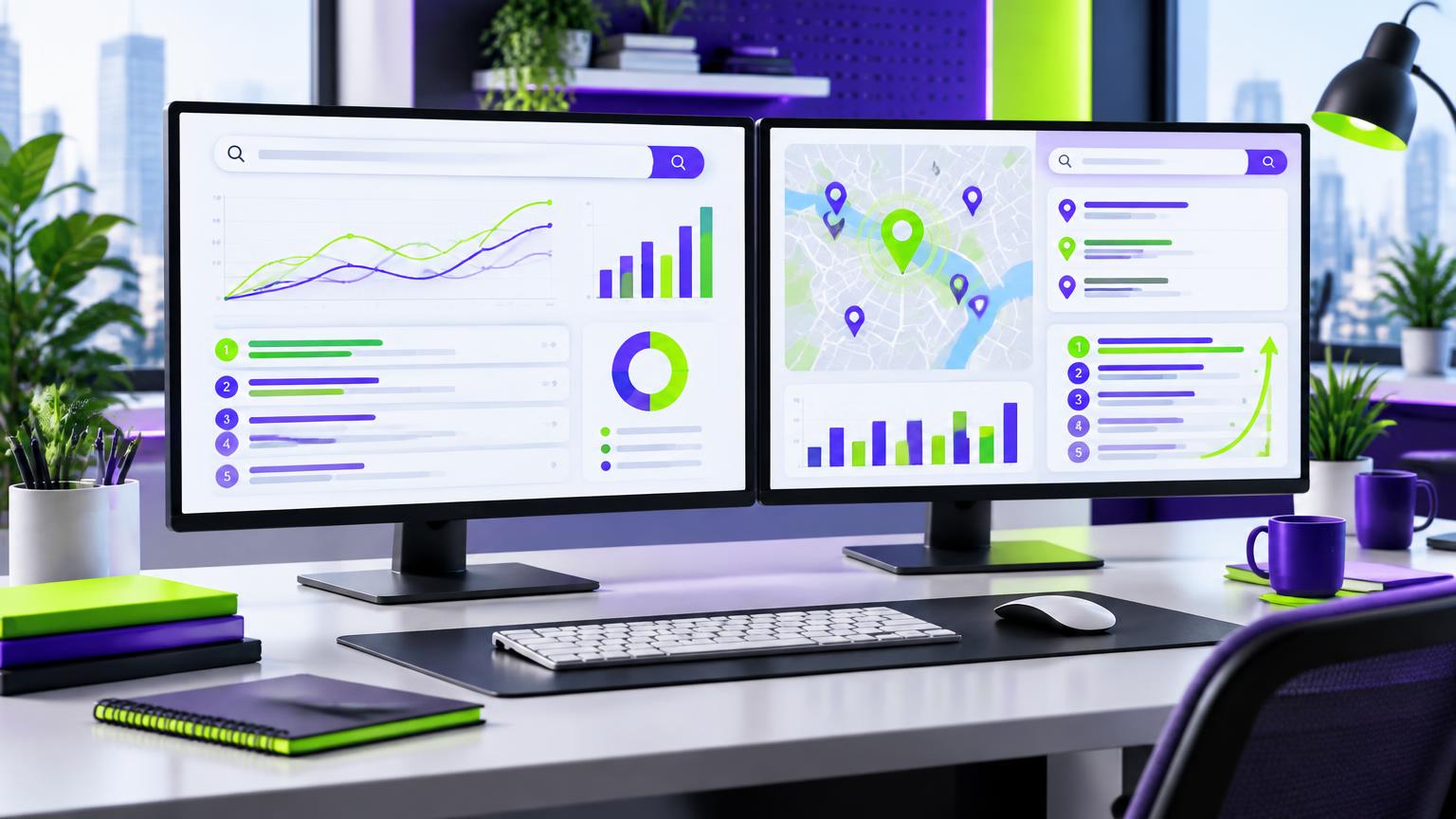
Most SEO advice repeats the same basics. These SEO tips focus on what brands overlook, the practical, often quick wins that separate pages that rank from pages nobody finds.
This guide is part of our digital marketing strategy series.
1. Match search intent before anything else
Before writing, search your target phrase and study the results. Are they guides, product pages, local listings, videos? Google is showing you what searchers want. If your page type doesn't match, it's unlikely to rank no matter how well it's written.
2. Write titles for people, with the keyword up front
Your title tag is your headline in search results. Keep it clear, include the main phrase near the start, and give a reason to click. Keep most titles around 60 characters so they don't get cut off.
3. Treat meta descriptions as ad copy
They may not directly affect rankings, but they affect clicks. Summarize the benefit and include the phrase naturally, in roughly 150–160 characters.
4. Build topic clusters with internal links
Create one comprehensive hub page per topic and several supporting pages that link to it (and to each other). It helps search engines understand your expertise and keeps readers moving. This blog is built this way. See how our radio advertising hub links to supporting guides.
5. Update old content instead of always writing new
Refresh pages that already get some traffic: add new sections, current examples, better answers and an updated date. Updating a page that's close to ranking is often faster than starting from zero.
6. Answer questions directly
Add a clear, short answer near the top of a page, then expand. Include an FAQ section for related questions. Well-structured answers can appear in featured snippets and AI-generated overviews.
7. Earn links through PR
The most valuable links come from reputable sites that cover you: news outlets, trade publications, podcasts, associations and partners. PR and SEO are the same effort seen from two sides. See PR strategy and thought leadership articles.
8. Add structured data
Schema markup (for articles, FAQs, local businesses, products, events) helps search engines understand your content. It won't fix weak content, but it can improve how your listings appear.
9. Make it fast and mobile-friendly
Compress images, avoid heavy scripts, and test on real phones. Page experience matters for both rankings and conversions.
10. Don't ignore local signals
For local businesses: a complete Google Business Profile, consistent name, address and phone number across directories, local pages, and a steady flow of reviews. See local SEO with Google Business Profile.
11. Show real expertise
Author bios, first-hand experience, original examples and data, and clear sourcing all signal that a real expert wrote the page. Generic, rewritten content struggles to stand out.
12. Measure the right things
Track impressions, clicks, average position and conversions in Google Search Console and your analytics. Rankings are a means; leads and sales are the goal. See KPIs that matter.
What to avoid
- Buying links or joining link schemes
- Keyword stuffing
- Publishing large volumes of thin or duplicated pages
- Hiding text or other tricks meant to fool search engines
Quick-win checklist
- [ ] Titles and meta descriptions reviewed on your top 10 pages
- [ ] Each key service has its own page
- [ ] Hub pages link to supporting pages and back
- [ ] Three older pages refreshed this quarter
- [ ] FAQ sections added to key pages
- [ ] Google Business Profile complete
- [ ] One PR or partnership link earned this month
For the next frontier, see voice search optimization and how long-form content builds authority.
Frequently asked questions
How long does SEO take to work?+
Often several months for meaningful results, depending on competition, your site's history and how much quality content and links you build. Local SEO and fixes to technical problems can show results sooner.
Do I need to publish content every week?+
Not necessarily. Fewer, better pages that fully answer important questions often outperform frequent thin posts. Updating strong existing pages also counts.
Are backlinks still important?+
Yes. Links from relevant, reputable sites remain an important signal. Earn them through useful content, PR, partnerships and genuine relationships, not by buying them.
What is internal linking?+
Linking between pages on your own website. It helps visitors find related content and helps search engines understand which pages are most important and how topics connect.
Work with Blastily
Want this done for you? Blastily plans and places PR, press releases, radio, TV and out-of-home campaigns for growing brands across Canada and beyond.
Talk to BlastilyKeep reading
- Digital Marketing Strategy for Small Businesses: The Essentials5 min →
- Local SEO: How to Use Google Business Profile to Win Local Clients3 min →
- How Long-Form Content Builds Brand Authority3 min →
- Voice Search Optimization: Preparing Your Content for Spoken Queries3 min →
- How to Use Digital Assets to Generate Income for Your Brand3 min →