
Retargeting Ads: How to Win Back Interested Customers
By Alvena Ode, Founder & CMO, Blastily · 3 min read
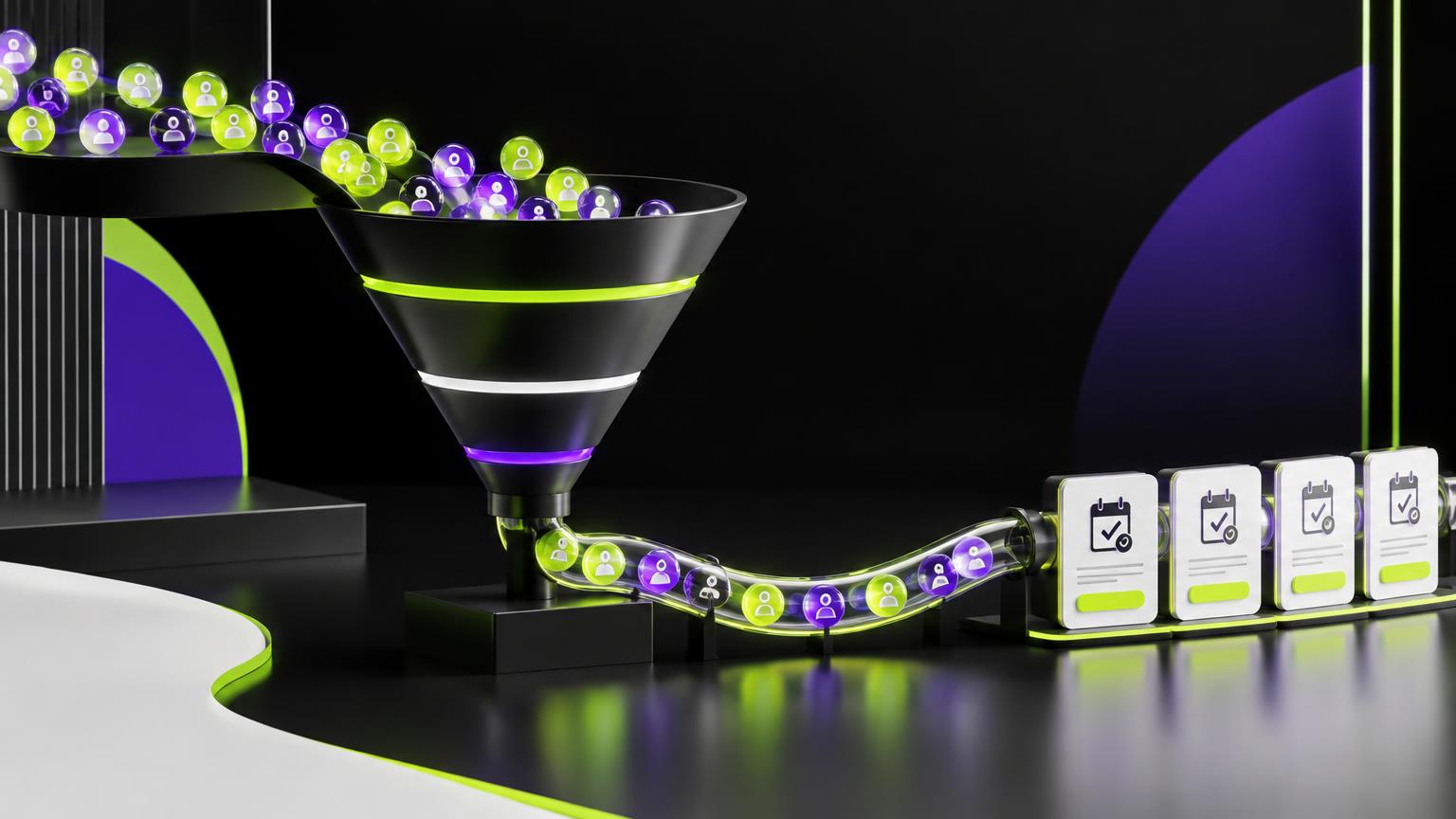
Most people don't buy on their first visit. They leave, get busy, and forget. Retargeting ads bring them back by showing relevant ads to people who already showed interest. Done well, it's one of the most efficient forms of advertising. Here's how.
This guide is part of our client acquisition strategy series.
How retargeting works
- A visitor comes to your website (or watches your video, or engages with your social post).
- A tracking pixel or platform audience records that interaction (with appropriate consent).
- You show that audience tailored ads on social, search, display or video platforms.
Build smart segments
Don't treat all visitors the same:
| Segment | Intent | Message |
|---|---|---|
| Homepage visitors | Low | Brand story, social proof |
| Blog readers | Researching | Helpful guide or lead magnet |
| Service or pricing page visitors | High | Case study, offer, book a call |
| Started a form or cart | Very high | Reminder, answer objections, incentive |
| Existing customers | Loyal | Upsell, referral, new products |
See lead nurturing for how this fits into your wider funnel.
Messages that bring people back
- Social proof: reviews and testimonials (social proof)
- Objection handling: pricing, timelines, guarantees
- Time-limited offers for high-intent segments
- Fresh creative: don't show the same ad for months
Frequency and duration
- Set frequency caps so people aren't overwhelmed
- Set membership durations by sales cycle: short for impulse buys, longer for considered purchases
- Exclude people who already converted (or move them into a customer segment)
Retargeting + offline advertising
Radio, TV and billboards send people to your website. Retargeting catches them afterwards:
- A listener hears your radio spot and visits your site
- They leave without booking
- They see your retargeting ad with the same message and offer
- They book
Keep the creative consistent across channels so the connection is obvious. See radio and social media campaigns and radio vs. digital ads.
Privacy basics
- Explain cookies and tracking in your privacy policy
- Use consent tools where required, including under Quebec's Law 25
- Avoid sensitive categories (such as health) in audience building
- Honour opt-outs
We'll cover this in privacy laws for marketers.
What to measure
- Conversion rate and cost per conversion by segment
- Frequency and engagement trends
- View-through vs. click-through conversions (treat view-through with caution)
- Incremental lift using holdout groups where platforms allow
Retargeting often gets credit for sales that would have happened anyway. A holdout test shows its true impact; see multi-channel attribution.
Example sequence for a service business
| Days since visit | Ad message |
|---|---|
| 1–3 | Reminder of the offer and a strong testimonial |
| 4–10 | Case study or before/after results |
| 11–20 | Answer the top objection (price, timing, trust) |
| 21–30 | Time-limited incentive or invitation to book a call |
Rotate creative within each stage to avoid fatigue, and stop showing ads once someone converts.
Common mistakes
- One ad for every visitor
- No frequency cap
- Showing ads to people who already bought
- Running the same creative for months
- Counting every view-through conversion as a win
Used carefully, retargeting turns interest into clients and lowers your customer acquisition cost.
Frequently asked questions
What are retargeting ads?+
Ads shown to people who have already interacted with your business, such as visiting your website, watching a video, engaging on social media or joining your email list.
Is retargeting the same as remarketing?+
The terms are often used interchangeably. Some people use 'remarketing' specifically for email follow-up and 'retargeting' for ads, but the idea is the same: re-engaging people who showed interest.
How often should retargeting ads be shown?+
Use frequency caps so people see your ads enough to remember them without feeling followed. Watch engagement and adjust if performance drops or complaints appear.
Is retargeting allowed under Canadian privacy law?+
It can be, with appropriate transparency and consent. Your privacy policy should explain your use of cookies and tracking, and Quebec's Law 25 adds specific consent requirements for certain tracking technologies. Get advice for your situation.
Work with Blastily
Want this done for you? Blastily plans and places PR, press releases, radio, TV and out-of-home campaigns for growing brands across Canada and beyond.
Talk to BlastilyKeep reading
- Client Acquisition Strategy: How Growing Businesses Win Clients5 min →
- How Much Should You Spend on Advertising to Win Clients?3 min →
- How to Build a Lead Nurturing Funnel That Converts3 min →
- Radio + Social Media: How to Make Each Channel Amplify the Other3 min →
- Radio vs. Digital Ads: When to Use Each (and Why the Answer Is Often Both)4 min →